Sailing the Safe Line Between Lights and Stone
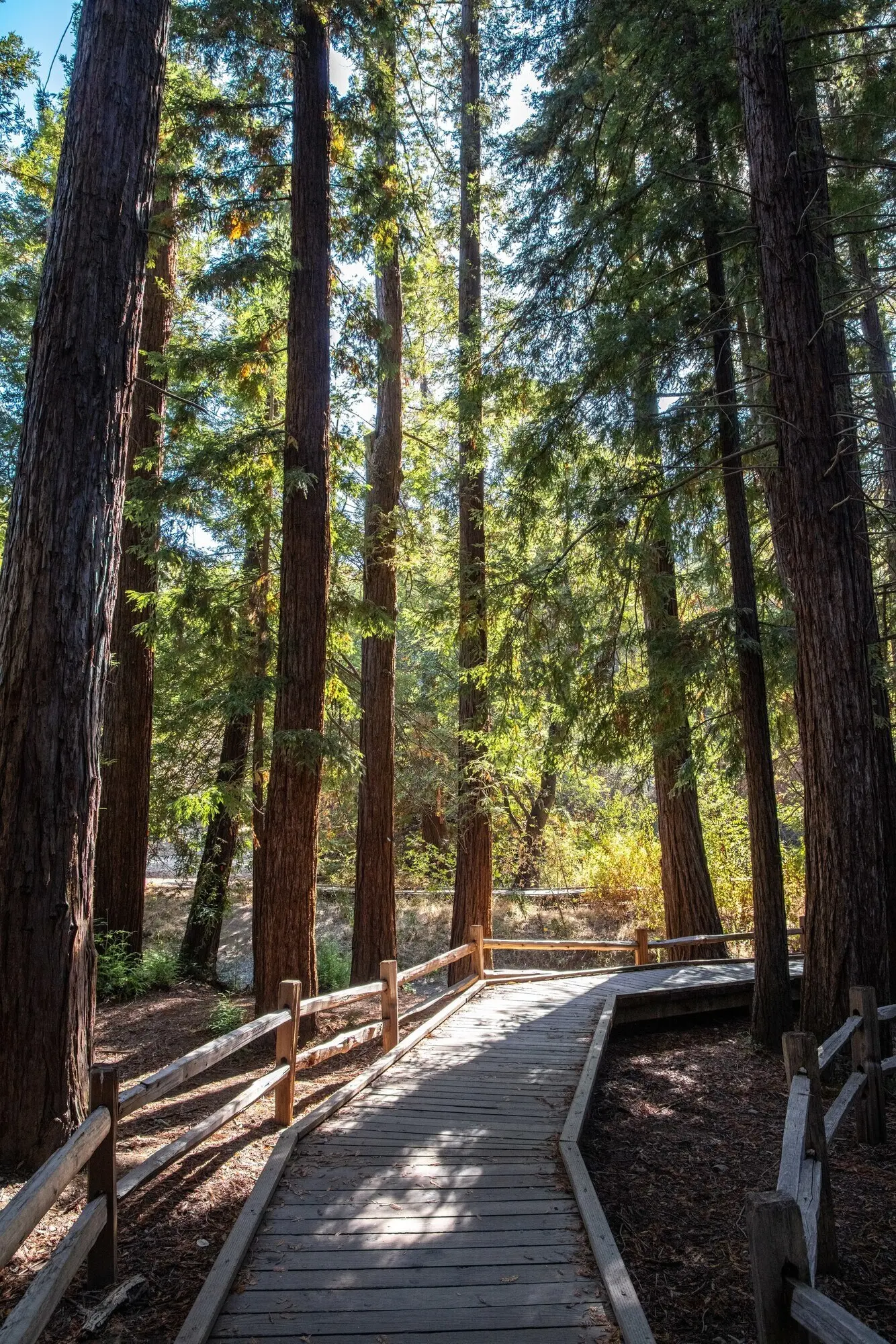

Understanding Tides Where Granite Meets Light
Interpreting Tide Tables with Local Set and Drift
Tables summarize heights and phases, yet the coastline adds personality: estuary outflow, harbor dredging, and submerged rubble shift water in surprising ways. Cross-check predictions with recent notices to mariners and nearby station offsets, then visualize set arrows against your intended waypoint sequence.
Slack Water Windows Near Harbor Entrances
Slack is rarely perfectly still near gaps in stone. Expect residual streams hugging the lee side, especially after spring ranges. Time your approach so turn basins, leading lines, and holding areas coincide with the gentlest flow, preserving control without overworking engine or helm.

Guidance from Beacons: Colors, Sectors, and Rhythms
Reading Character Codes Without Hesitation
Groups, quicks, isophase, and long flashes blur after midnight, so build muscle memory well ahead. Say them aloud, sketch intervals in a notebook, and set alarms on your watch. Confidence frees attention for swell, traffic, and the hush of shoreline winds.
Alignments and Ranges that Straighten Hands
Two fixed lights or a beacon with a daymark create an invisible rail that calms the helm. When the shapes stack perfectly, your lateral position is right. Train crew to call tiny divergences early, avoiding abrupt corrections that widen drift near stone.
A Midnight Approach Remembered
We once traced a green sector like a lifeline after fog muted everything but a buoy’s bell. The rhythm matched our notes; doubt left the cockpit. That quiet certainty let us ease through surf-spattered gaps, arriving with gratitude instead of shaking nerves.
Breakwaters and Swell: Hydrodynamics You Can Feel
Piloting with Charts, Radar, and Electronic Eyes
Weather, Visibility, and Choosing the Moment
Fog Signals and the Map in Your Ears
Night Vision and the Discipline of Darkness
Choosing to Wait Is Seamanship
Crew Rhythm, Communication, and Calm Landfalls
Briefings that Paint the Same Picture
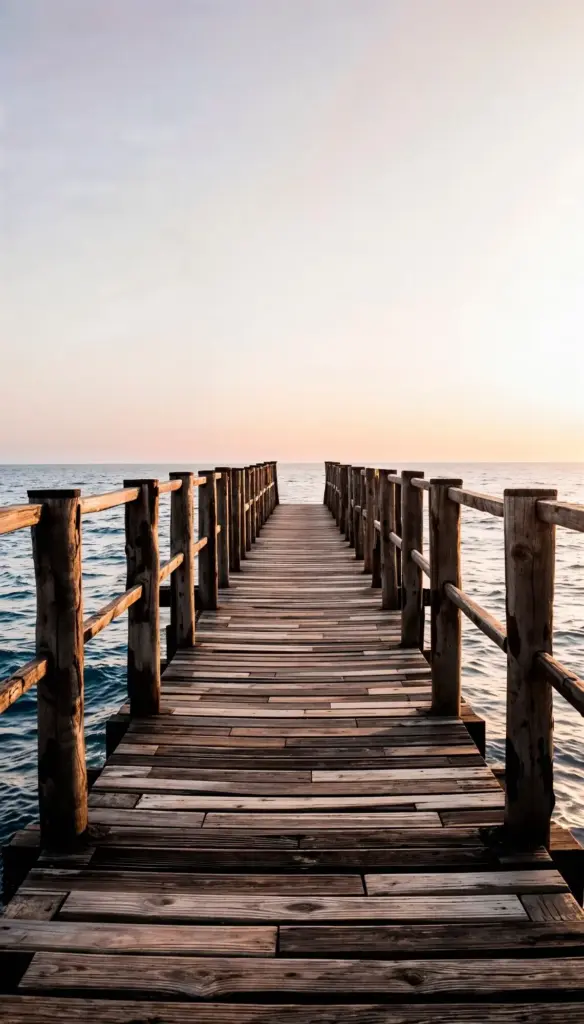
Hand Signals and Eye Contact Near Noise

Debriefs that Build Future Confidence
Local Knowledge, Shared Tracks, and Harbor Lore
Harbor Pilots on Timing and Touch
Fishers’ Paths Between Sound and Shelter
Join the Conversation and Leave a Wake of Help

All Rights Reserved.