From Beacons to Boards: Walking the Water’s Edge with a Lens
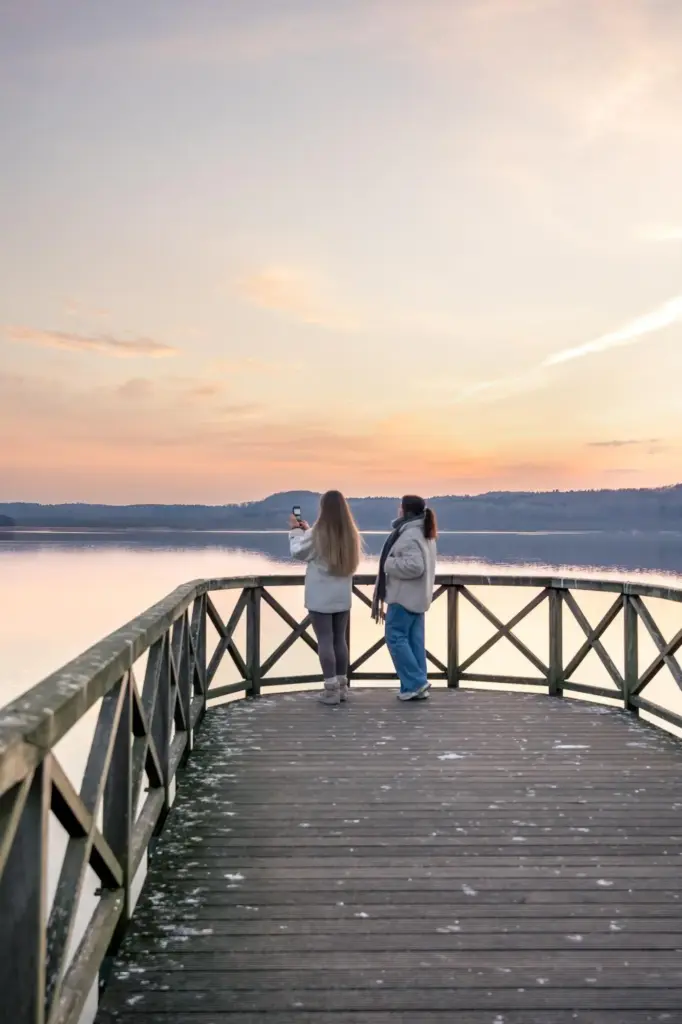
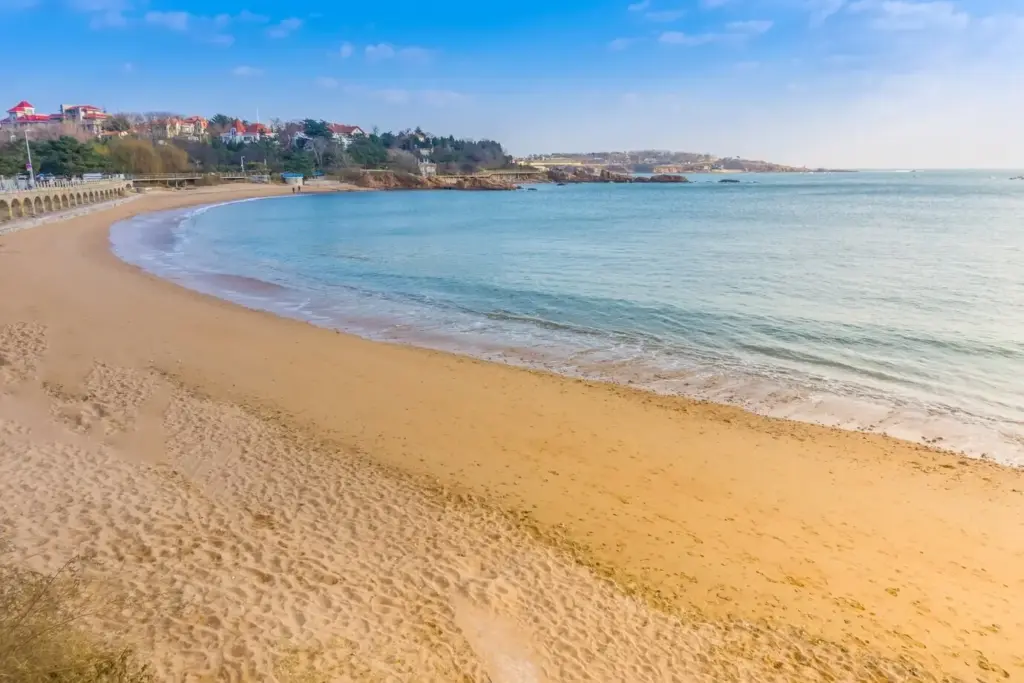
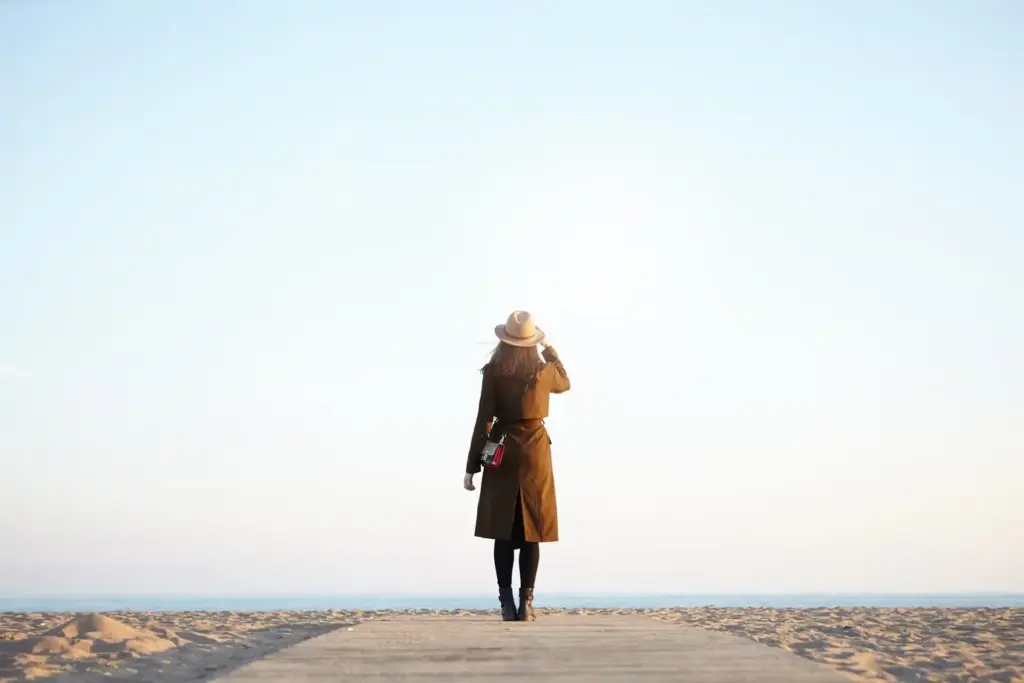
Lace up and join a journey of seascape photography walks from lighthouse promontories to piers, where shifting tides, windborne spray, and revolving lights shape every frame. We’ll explore practical planning, poetic light, ethical presence, and post‑processing finesse. Share your favorite coastal route, subscribe for new shoreline discoveries, and step into scenes where horizon lines, weather fronts, and stories of the coast meet a patient shutter.

Tides, Swell, and Wind Windows

Low tide can reveal reflective pools, rippled sand, and barnacled textures; high tide delivers crashing drama and cleaner lines. Cross‑check tides with swell height and direction to predict safe footing and spray patterns. Wind shifts texture across water, mists piers, and threatens stability. Pack extra time to wait for lulls. If a rogue set arrives, step back first, shoot later. Your best frame is the one you safely bring home.

Footwear, Layers, and Saltproof Essentials

Waterproof boots with grippy soles, breathable layers, and a windproof shell keep attention on composition instead of cold. Stash a dry bag, microfiber cloths for salt spray, and nitrile gloves for handling wet gear. A compact headlamp helps on pre‑dawn approaches and safe exits after twilight. Keep snacks and a thermos ready; warm hands and steady energy transform patience into images. Comfort extends the window when magic light finally arrives.

Access and Etiquette on Headlands and Piers

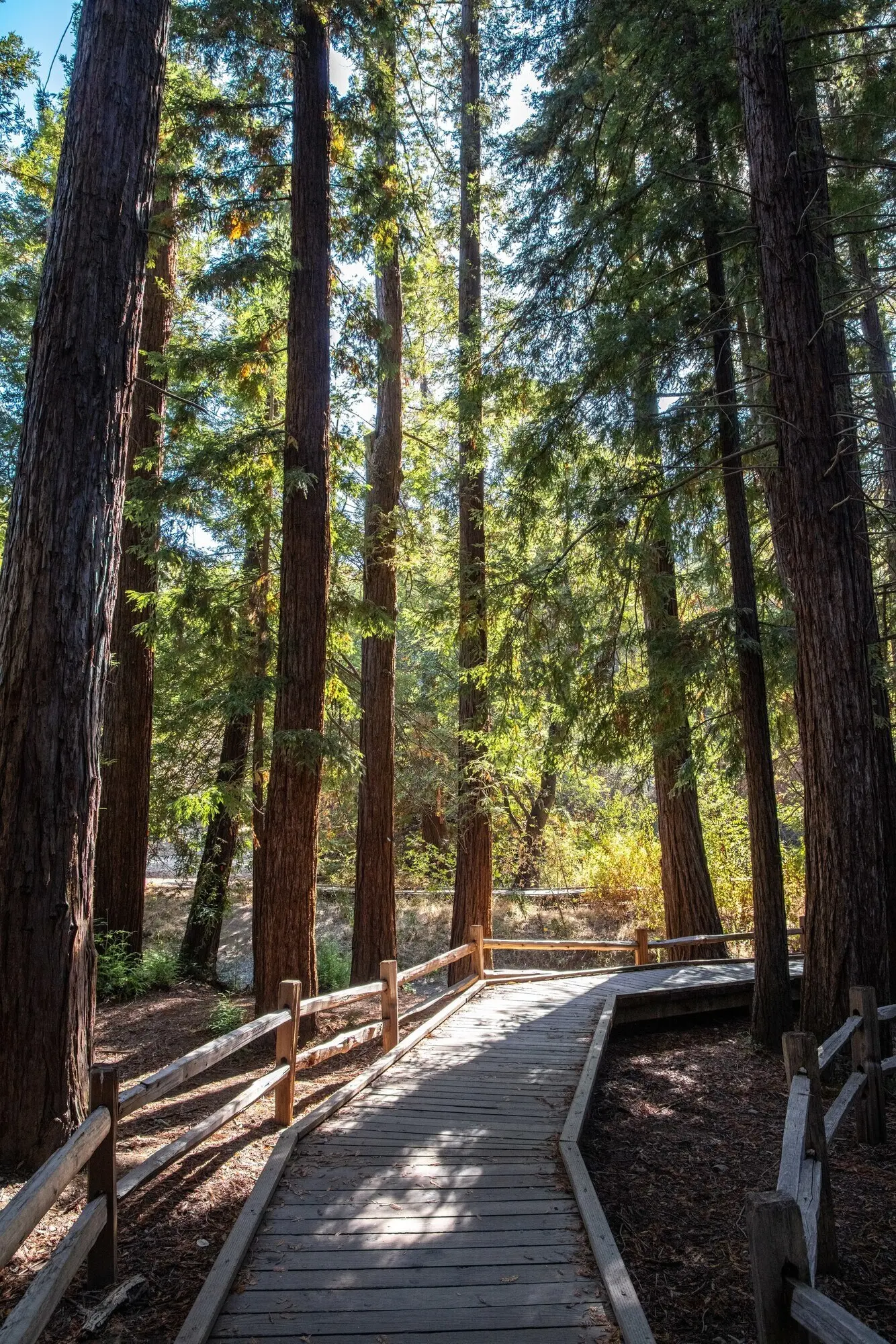
Many lighthouses and piers welcome walkers but follow posted signs, restricted zones, and operating hours. Yield right‑of‑way on narrow boards, never block anglers’ lines, and keep tripods tucked to one side. Avoid trespassing near keepers’ cottages and respect private moorings. Quiet footsteps invite conversations that reveal hidden viewpoints and local history. Thank caretakers, pack out every trace, and model stewardship so photographers remain trusted guests along these working shorelines.

Light That Shapes the Sea
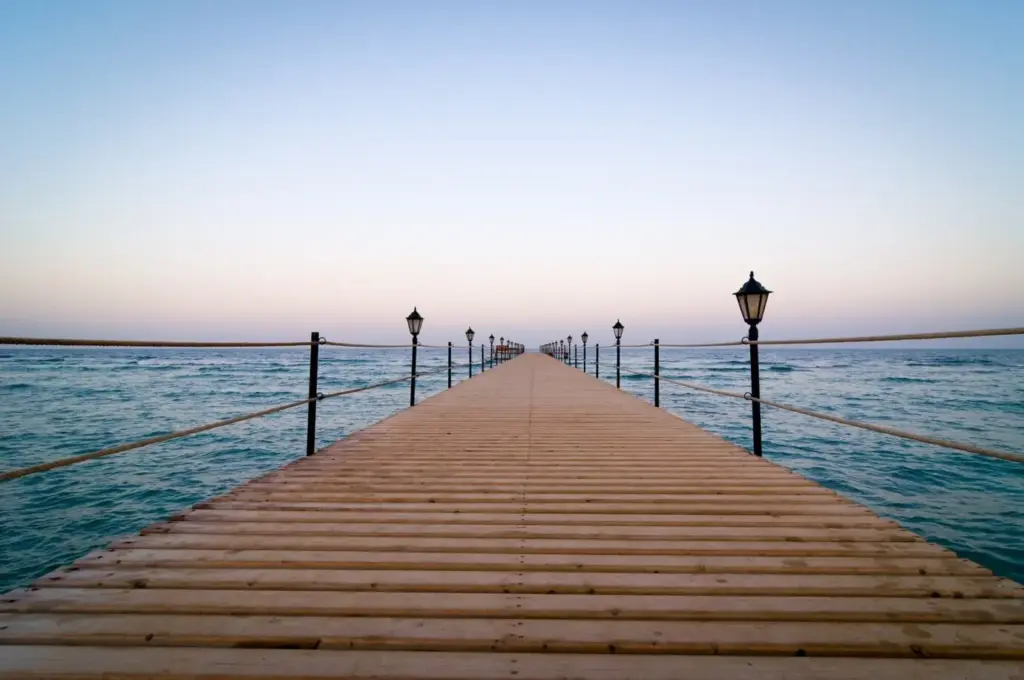
Light at the coast bends mood more than any lens choice. Golden hour warms foam; blue hour cools iron pilings and broadens dynamic range. Fog softens contrasts while backlit spray turns to glitter. Lighthouse beams sweep patterns that can flirt with flare yet define place unmistakably. Track sunrise azimuths seasonally, anticipate low sun under clouds, and watch for post‑storm clarity. Patience through gray minutes often births five unforgettable, color‑rich seconds.

Dawn to Blue Hour Transitions

Arrive well before astronomical twilight to scout, set tripod height, and test exposures. As night yields to cobalt, hues narrow; then magentas and apricots ignite the horizon. Reflections sharpen as wind fades. Bracket gently to protect highlights on ripples while preserving rock detail. When birds begin their restless circuits, wait for silhouettes against soft gradients. Those quiet breaths between first glow and sun breach often deliver the most lyrical water texture.

Harnessing Lighthouse Beams Without Flare

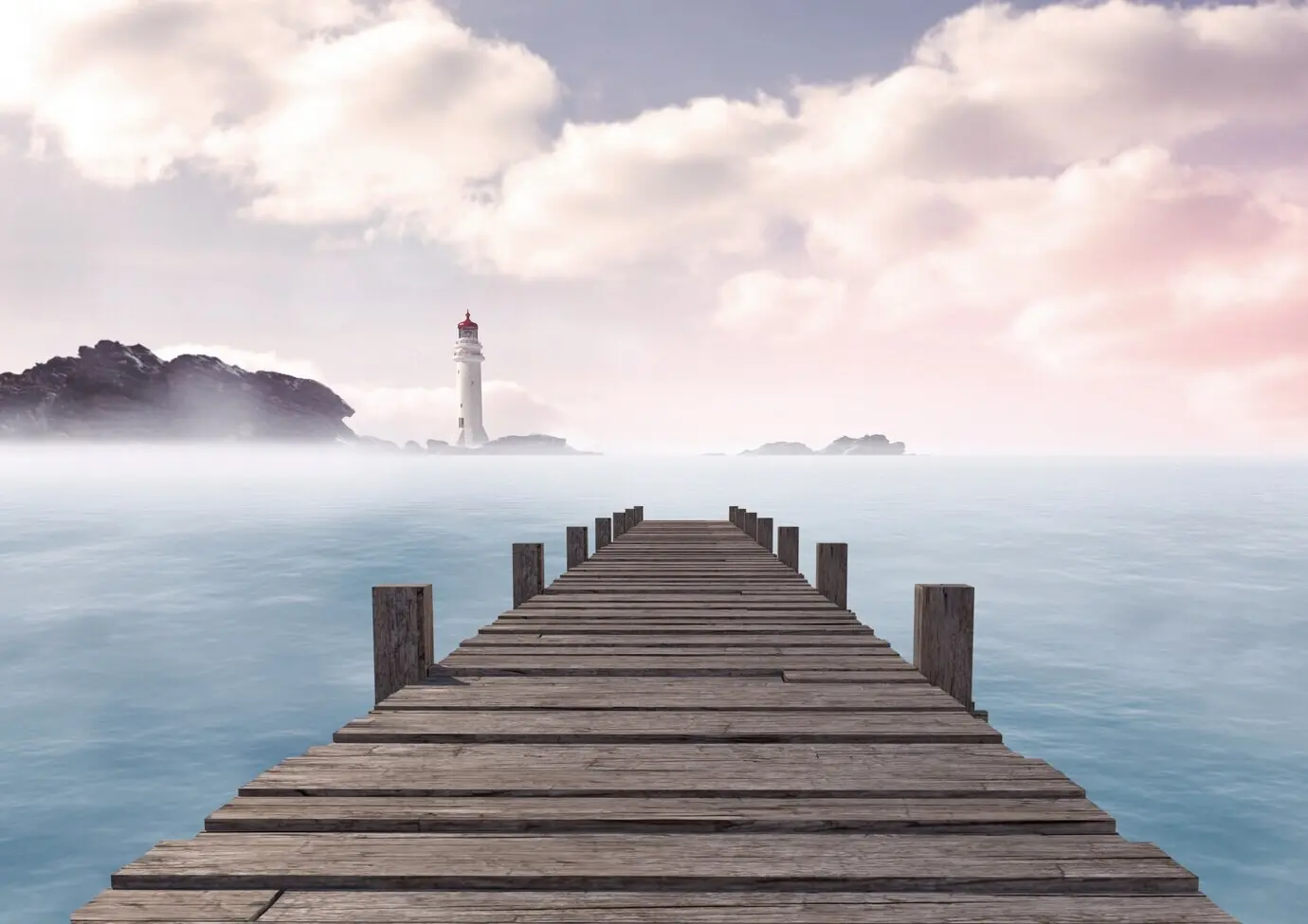
A revolving beacon adds identity and rhythm. To avoid messy flare, angle the lens slightly off the beam path, use a deep hood, and shade glass with your hand. Time exposures to capture a single sweep or stack frames to suggest motion. Stop down for starbursts from pier lamps, but meter carefully to avoid blown globes. If the beam overwhelms, wait one rotation cycle and shoot the scene bathed only in atmospheric spill.

Compositions That Flow

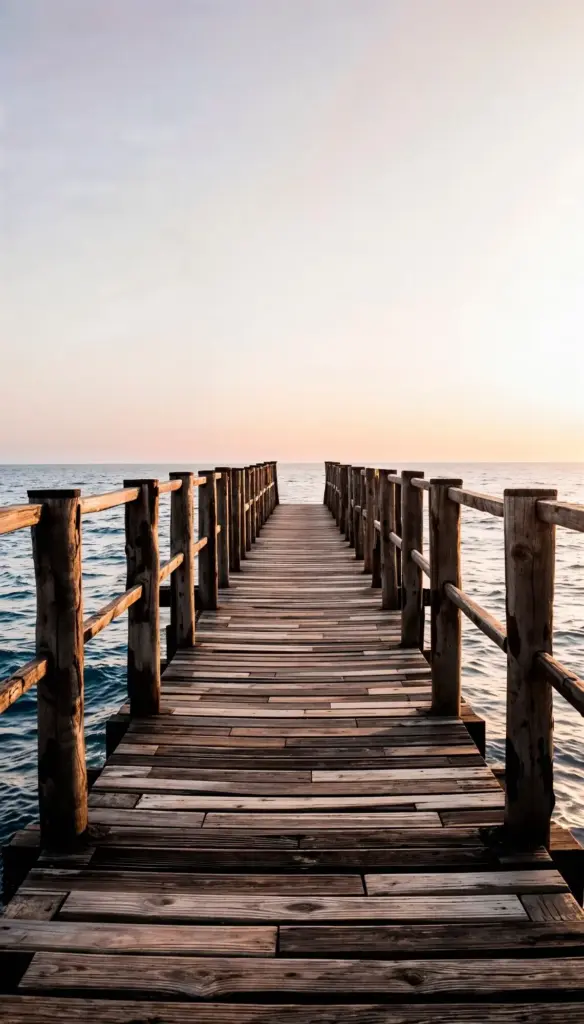
Piers deliver vanishing lines; headlands curve into welcoming S‑shapes. Balance bold foreground textures with disciplined horizons and breathing room. Let ropes, driftwood, and lichen lead the eye rather than clutter the story. Move your feet: kneel to amplify reflections, or step back to honor scale. Consider vertical frames for beam towers and horizontals for sweeping surf. When doubt creeps in, simplify. One strong gesture from sea or structure will carry the image.

Tools for Salt and Motion

Salt is patient and relentless, so your kit must be resilient. A sturdy tripod with non‑corroding locks, a weather‑sealed body, and lenses with easy‑to‑clean coatings pay dividends. ND filters smooth surf; a circular polarizer tames glare yet can uneven skies on ultrawides. Pack extra batteries—cold sea air saps power—and redundant cloths. After every walk, rinse clamps with fresh water, dry thoroughly, and check for creeping white crust that signals trouble.

People, Wildlife, and Place

Coasts work, rest, and migrate. Anglers, ferry crews, and dawn joggers share the boards; terns, seals, and sandpipers guard territory. Ask permission before close portraits and keep respectful distances from nests and haul‑outs. Many lighthouses today operate automatically, yet their grounds hold layered memory. Read plaques, listen to locals, and weave human presence with environmental care. Photographs last longest when dignity, safety, and the living rhythm of a shore lead decisions.

Editing Salt Air Into the Final Image
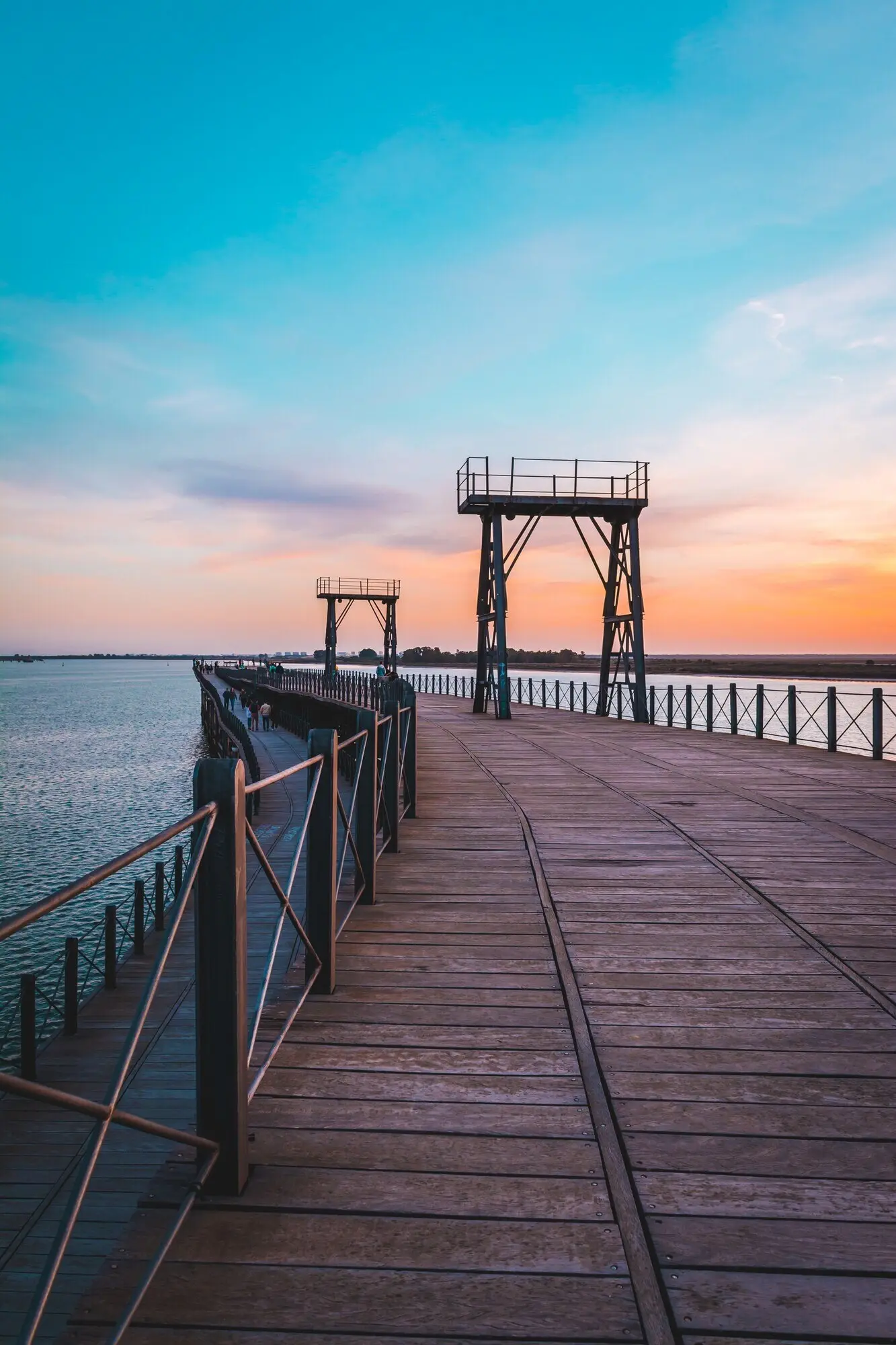
Post‑processing should preserve the breath of the coast. Start with sensor spot removal—spray finds glass relentlessly. Shape tonal range using masks so skies sing without crushing reef shadows. Balance blues carefully; sea can skew teal or slate depending on light. Dehaze with restraint to keep atmosphere believable. Correct for sodium‑vapor pier lights with local white balance. Stitch panoramas when the horizon begs width, and always print a test to judge subtle color.
Nepetazaxivanopafufuxu
Privacy Overview

This website uses cookies so that we can provide you with the best user experience possible. Cookie information is stored in your browser and performs functions such as recognising you when you return to our website and helping our team to understand which sections of the website you find most interesting and useful.