Follow the Ocean’s Edge Without Barriers
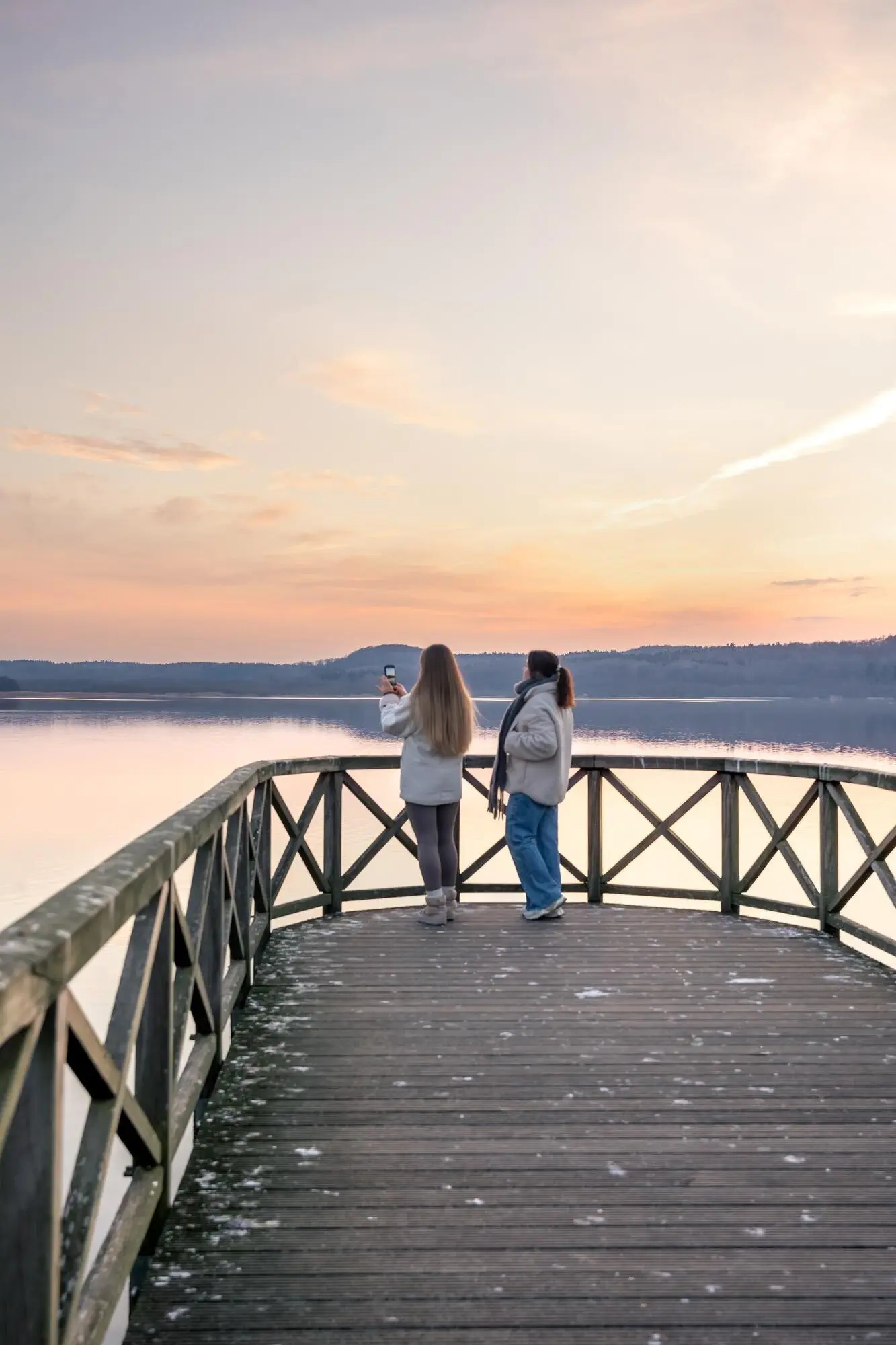
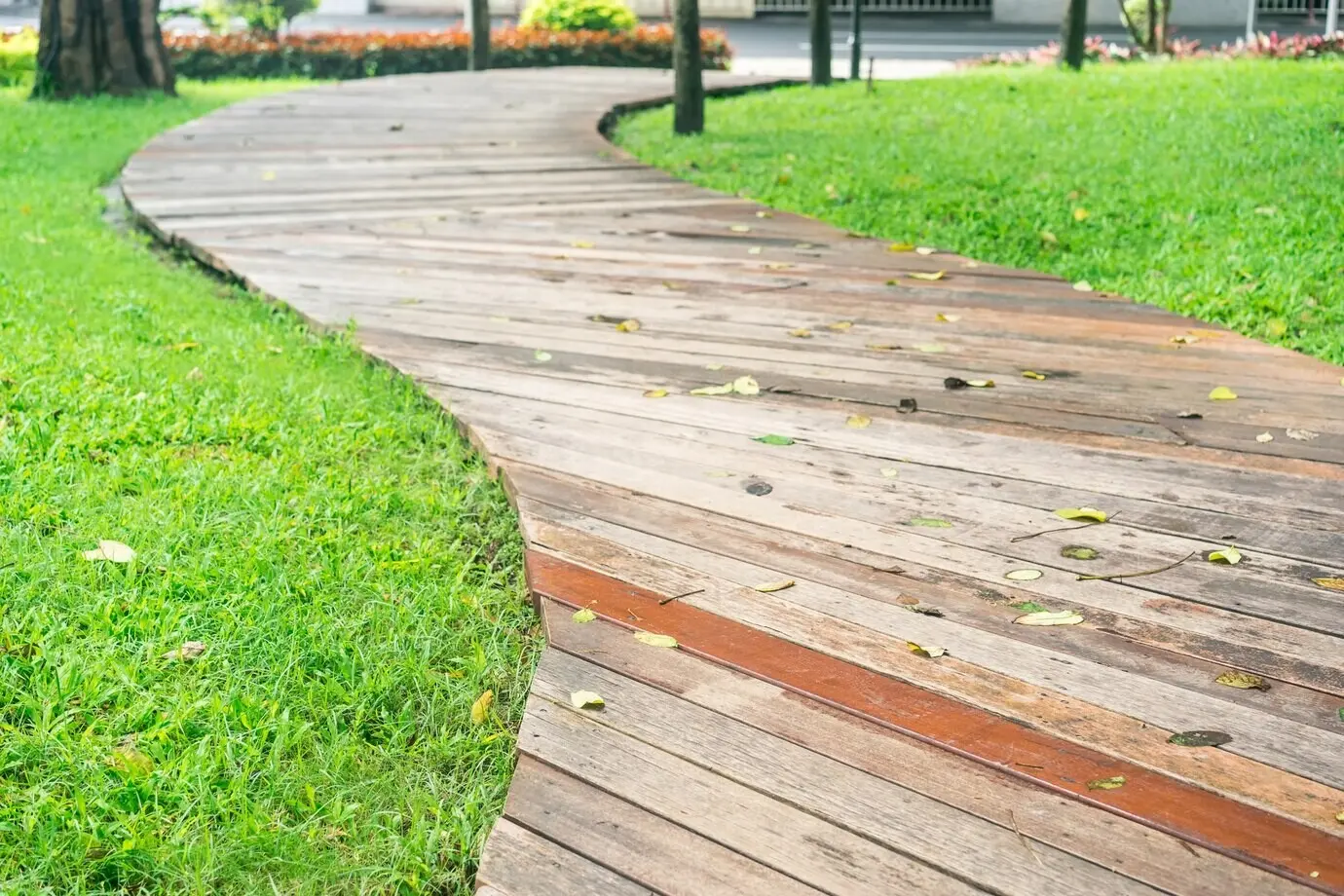
Today we spotlight accessible seaside paths linking historic piers and light stations, inviting every visitor to roll, stroll, or wander where salt air meets living history. Imagine a continuous ribbon of firm pathways, gentle gradients, and welcoming overlooks, guiding you from busy boardwalks to steadfast beacons, while stories of keepers, sailors, and communities unfold through tactile maps, audio guides, and inclusive design that truly belongs to everyone.

Coastal Journeys for Everyone

Seaside routes can welcome parents with strollers, wheelchair users, elders seeking steady footing, and curious travelers eager for authenticity. When pathways connect a pier’s bustle to a lighthouse’s quiet resolve, inclusive design turns shoreline distance into shared experience, blending comfort, independence, and discovery with views that widen, breezes that soften, and details that honor mobility, sensory needs, rest, and confidence at every turn along the water.

Stories Anchored in Salt and Light

A Pier’s Welcome

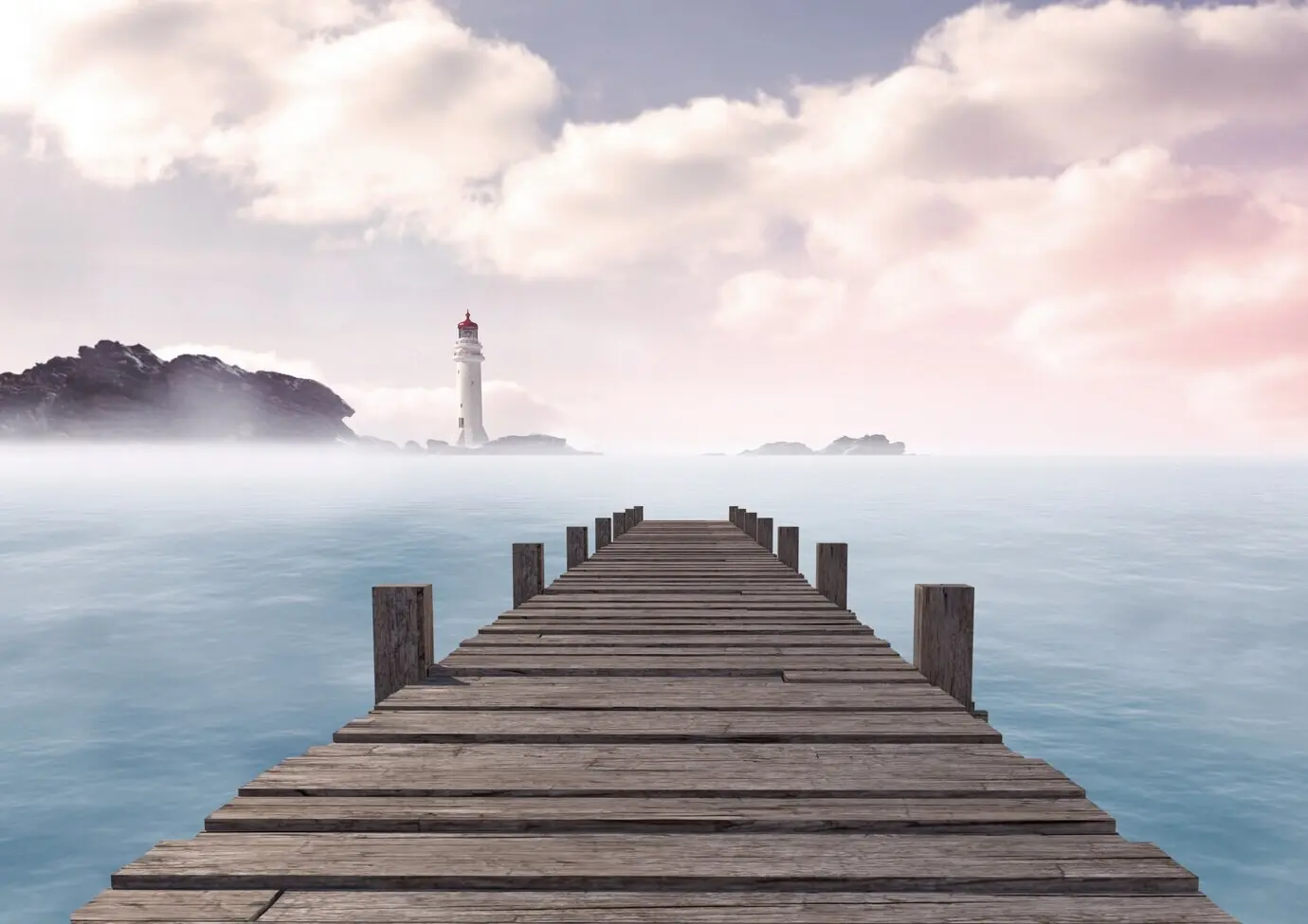
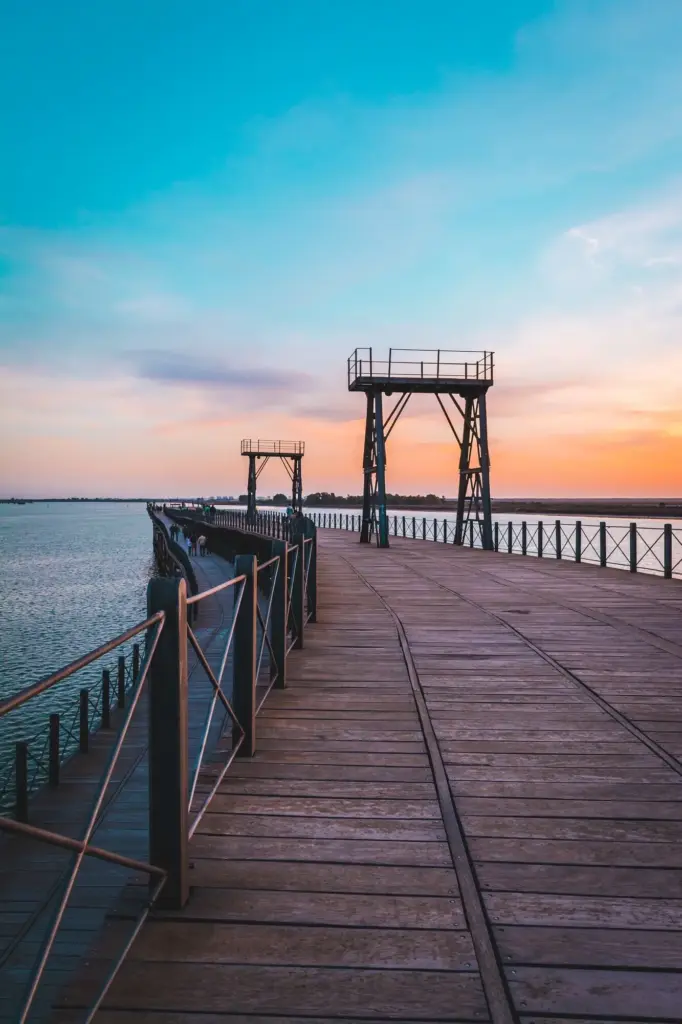
Approaching a pier, you sense rhythms baked into timber and tide. Vendors share warm smiles, musicians test chords that mingle with halyards, and anglers compare lucky lures. Interpretive panels reveal how storms reshaped pilings and commerce, while accessible viewing decks lift everyone above chop and spray. Here, the edge of town meets open water, and the path itself becomes a front porch where strangers greet each other like neighbors.

Keepers’ Footsteps

Lighthouse grounds carry echoes of careful routines: trimming wicks, polishing prisms, logging weather, and pacing windswept galleries each night. Audio stories let visitors hear keeper journals read aloud, while tactile models translate lantern rooms into graspable forms. A child’s fingers trace Fresnel rings, a veteran remembers distant watches, and together they appreciate the unglamorous diligence that made safe harbors possible when ships relied on patience, mathematics, and unwavering attention.

Community Memory Boards

Shoreline noticeboards and digital story kiosks gather local voices—the diver who mapped a long-forgotten wreck, the baker who times loaves to morning ferry whistles, the teacher whose class painted a mural of keepers’ families. Visitors pin sketches, post accessible route tips, and record greetings in multiple languages. Shared memory expands the walkway’s function from mere passage to living archive, where kindness, curiosity, and belonging constantly wash ashore beside practical wayfinding.

Design Playbook Beside the Tide

Resilient Materials and Maintenance

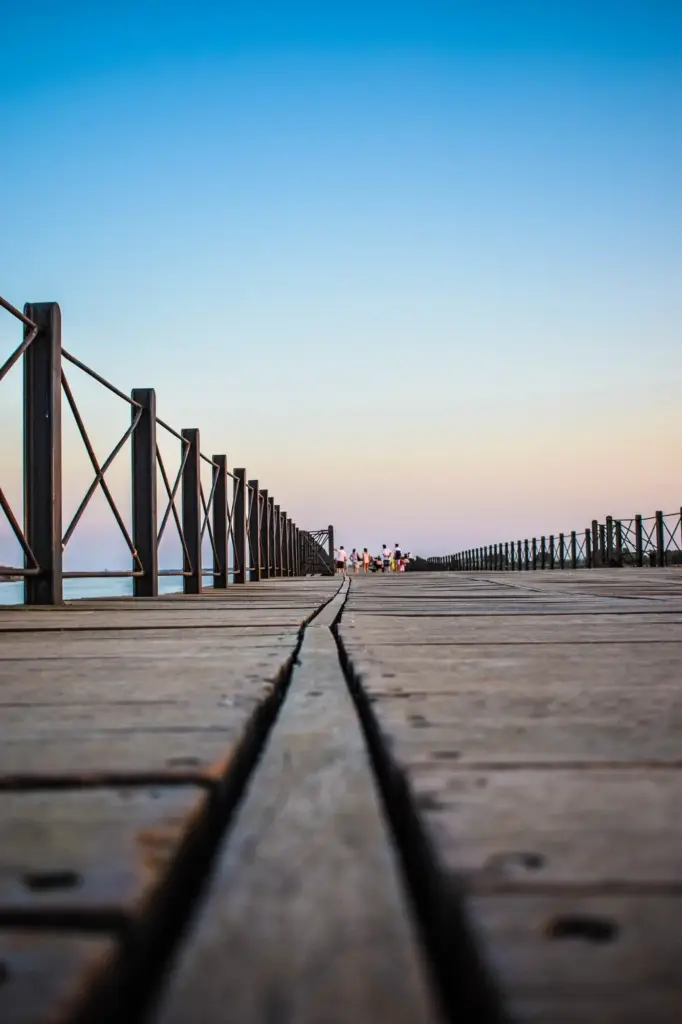
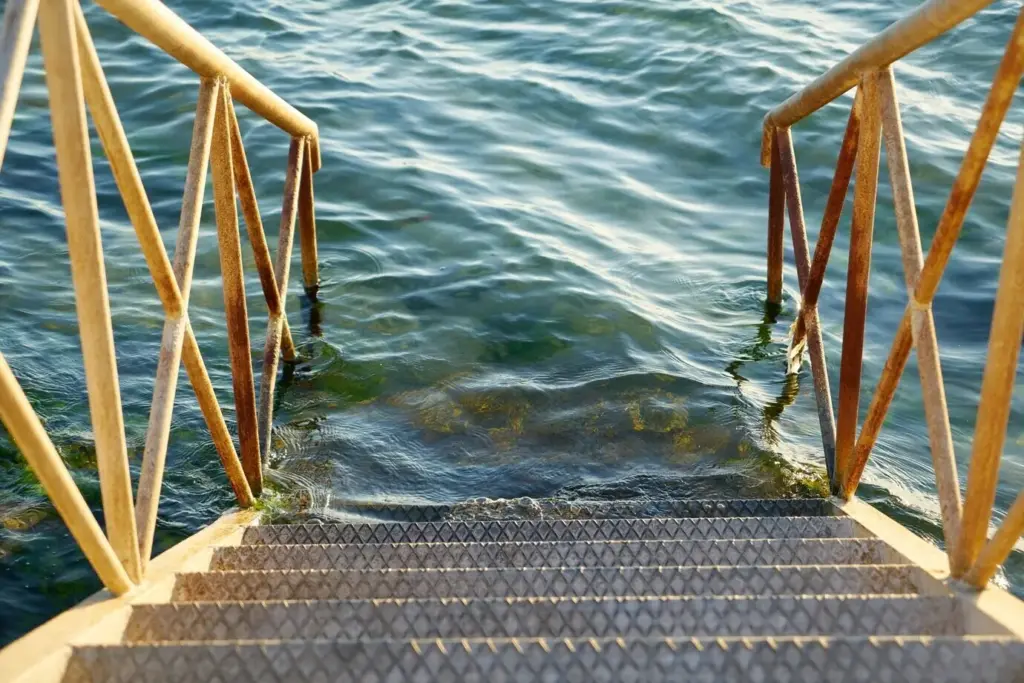
Salt air is relentless. Stainless fasteners, marine-grade coatings, recycled-plastic lumber, and fiber-reinforced composites endure where untreated steel and softwoods fail. Tight decking gaps protect canes and casters, while concealed clips reduce snag points. Scheduled rinsing, bolt checks, and tactile paving inspections keep features dependable. Publishing maintenance logs builds public trust, reminding everyone that safe, barrier-free access is not a one-time project but an ongoing promise riding the tides.

Weather and Tidal Considerations

Salt air is relentless. Stainless fasteners, marine-grade coatings, recycled-plastic lumber, and fiber-reinforced composites endure where untreated steel and softwoods fail. Tight decking gaps protect canes and casters, while concealed clips reduce snag points. Scheduled rinsing, bolt checks, and tactile paving inspections keep features dependable. Publishing maintenance logs builds public trust, reminding everyone that safe, barrier-free access is not a one-time project but an ongoing promise riding the tides.

Nighttime Guidance and Safety

Salt air is relentless. Stainless fasteners, marine-grade coatings, recycled-plastic lumber, and fiber-reinforced composites endure where untreated steel and softwoods fail. Tight decking gaps protect canes and casters, while concealed clips reduce snag points. Scheduled rinsing, bolt checks, and tactile paving inspections keep features dependable. Publishing maintenance logs builds public trust, reminding everyone that safe, barrier-free access is not a one-time project but an ongoing promise riding the tides.

Itineraries You Can Roll, Stroll, or Amble

Picture a morning start at a lively pier, a mid-route café stop with accessible seating, and a gentle finish near a light station overlook designed for wheelchairs and strollers alike. Distances stay honest, surfaces stay consistent, and rest nodes appear before you need them. With transit links, curb cuts, and reliable restroom access, the journey’s logistics fade, leaving time for sea sparkle, photos, and unexpected conversations with wind-tousled locals.

Dawn-to-Dusk Pier-to-Light Walk

Begin near fishing boats and coffee steam, where curb ramps and dropped counters simplify ordering. Follow tactile cues past interpretive panels, welcome a gradual incline, and pause at an overlook with binoculars mounted at varied heights. Continue to the lantern’s vantage, where accessible railings frame sunset without blocking seated views. Return under soft lighting, guided by steady textures, and finish with warm chowder that tastes exactly like earned contentment.

Family Discovery Loop

Choose a shorter loop linking tide-pool overlooks, a touch-friendly relief map, and a small museum with wide turning radii, elevator access, and seating for tired legs. Borrow a beach wheelchair if conditions allow, then hunt for accessible scavenger-hunt clues shaped like shells and stars. Celebrate discoveries with stickers at the kiosk, swap recommendations with other families, and leave knowing the route respected naps, snacks, questions, meltdowns, and sudden delight equally.

Transit, Parking, and Access Tips

Before setting out, check real-time transit apps for low-floor vehicles and priority spaces near pier entrances. Confirm accessible restroom hours, ramp gradients, and any construction detours after coastal storms. Pack layered clothing, sun protection, and a small towel for sea mist. If you use a mobility device, note charging options and surface types. Share feedback with operators—polite specificity improves routes, signage, and schedules for everyone navigating the water’s welcoming edge.

Senses, Interpretation, and Belonging

A shoreline path sings when information greets many ways of perceiving. Panels use large print, braille, and plain language; audio narrations describe textures and light shifts; tactile models translate towers and anchor chains into grippable forms. Resting places encourage conversation, while multilingual greetings affirm that maritime heritage belongs to more than one accent. When design honors diverse bodies and minds, the ocean’s generosity becomes unmistakably personal and enduring.

Stewardship and Community Action

Accessible waterfronts endure when neighbors adopt them like gardens. Volunteers test slopes, clear sand drifts, translate signage, and log maintenance issues before they grow teeth. Port authorities, historians, and disability advocates meet regularly, trading constraints and bright ideas. Grants seed pilot projects; feedback prunes what fails quickly. The result is not perfection but responsiveness, where paths improve through seasons, and every visitor becomes a co-author of a kinder shoreline.

Shoreline Accessibility Audits

Community-led walk-throughs reveal truths design drawings miss: puddles forming after nor’easters, confusing sign clusters near kiosks, benches placed just beyond a tired person’s reach. Invite wheelchair users, cane travelers, elders, families, and ferry crews. Document findings with photos, slope apps, and simple checklists. Celebrate fixes publicly so momentum grows, and publish open data so other ports learn quickly. Audits become rituals, like checking lights before dusk meets fog.

Funding, Permits, and Partnerships

From small ramp adjustments to full pier-to-lighthouse connections, success loves collaboration. Blend municipal budgets, maritime heritage grants, tourism boards, and philanthropy focused on inclusion. Align permits early with coastal regulators and historic preservationists, translating accessibility goals into resilient, context-sensitive drawings. Manufacturers may sponsor tactile models; universities can measure outcomes. When documents track improvements transparently, trust rises with the tide, and future projects launch from sturdier, well-lit docks.
Nepetazaxivanopafufuxu
Privacy Overview

This website uses cookies so that we can provide you with the best user experience possible. Cookie information is stored in your browser and performs functions such as recognising you when you return to our website and helping our team to understand which sections of the website you find most interesting and useful.