From Beacons to Boards: Walking the Water’s Edge with a Lens
Tides, Swell, and Wind Windows
Low tide can reveal reflective pools, rippled sand, and barnacled textures; high tide delivers crashing drama and cleaner lines. Cross‑check tides with swell height and direction to predict safe footing and spray patterns. Wind shifts texture across water, mists piers, and threatens stability. Pack extra time to wait for lulls. If a rogue set arrives, step back first, shoot later. Your best frame is the one you safely bring home.
Footwear, Layers, and Saltproof Essentials
Waterproof boots with grippy soles, breathable layers, and a windproof shell keep attention on composition instead of cold. Stash a dry bag, microfiber cloths for salt spray, and nitrile gloves for handling wet gear. A compact headlamp helps on pre‑dawn approaches and safe exits after twilight. Keep snacks and a thermos ready; warm hands and steady energy transform patience into images. Comfort extends the window when magic light finally arrives.
Access and Etiquette on Headlands and Piers
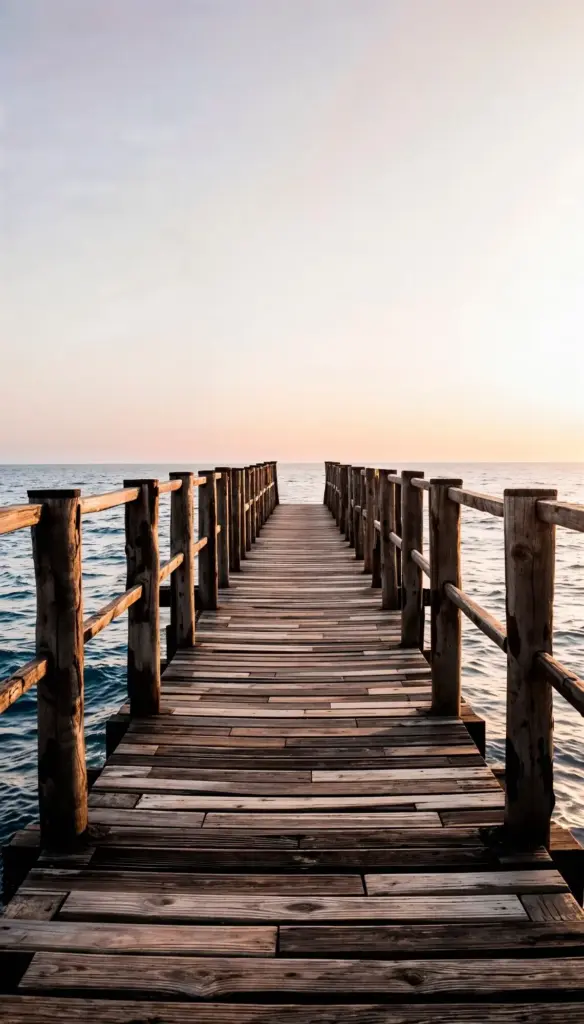
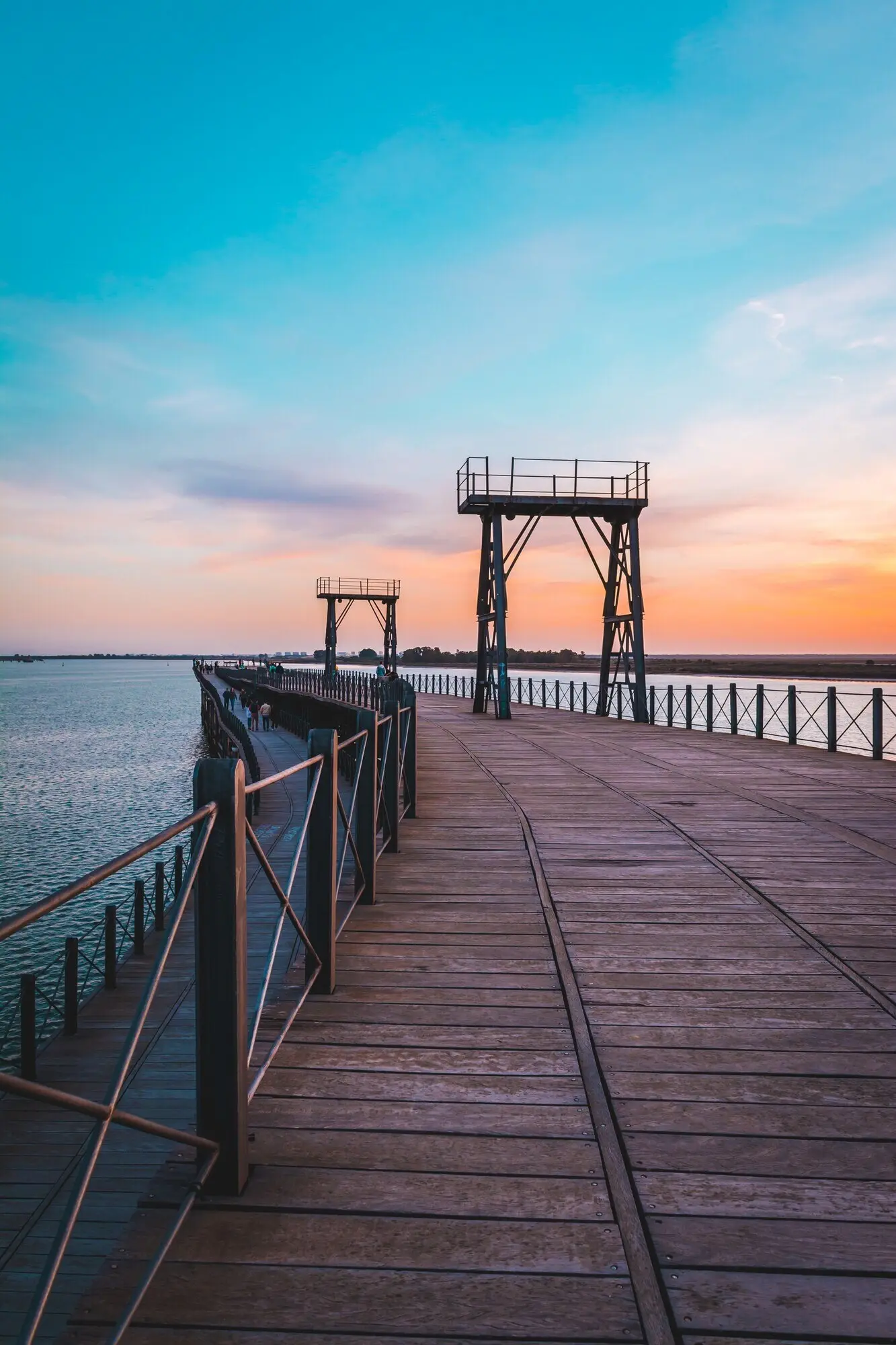
Many lighthouses and piers welcome walkers but follow posted signs, restricted zones, and operating hours. Yield right‑of‑way on narrow boards, never block anglers’ lines, and keep tripods tucked to one side. Avoid trespassing near keepers’ cottages and respect private moorings. Quiet footsteps invite conversations that reveal hidden viewpoints and local history. Thank caretakers, pack out every trace, and model stewardship so photographers remain trusted guests along these working shorelines.
Light That Shapes the Sea
Dawn to Blue Hour Transitions
Harnessing Lighthouse Beams Without Flare
Compositions That Flow
Tools for Salt and Motion
People, Wildlife, and Place
Editing Salt Air Into the Final Image

All Rights Reserved.